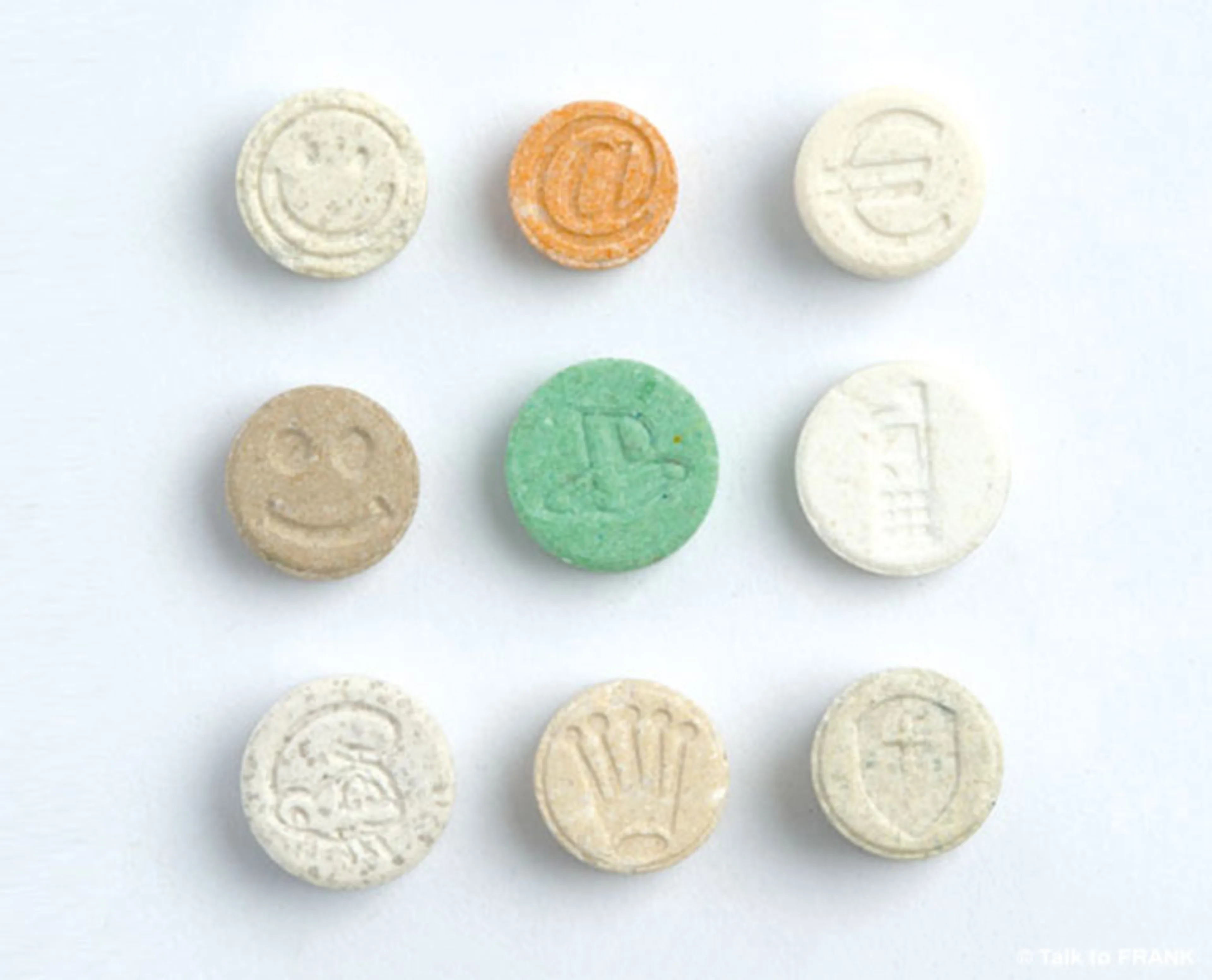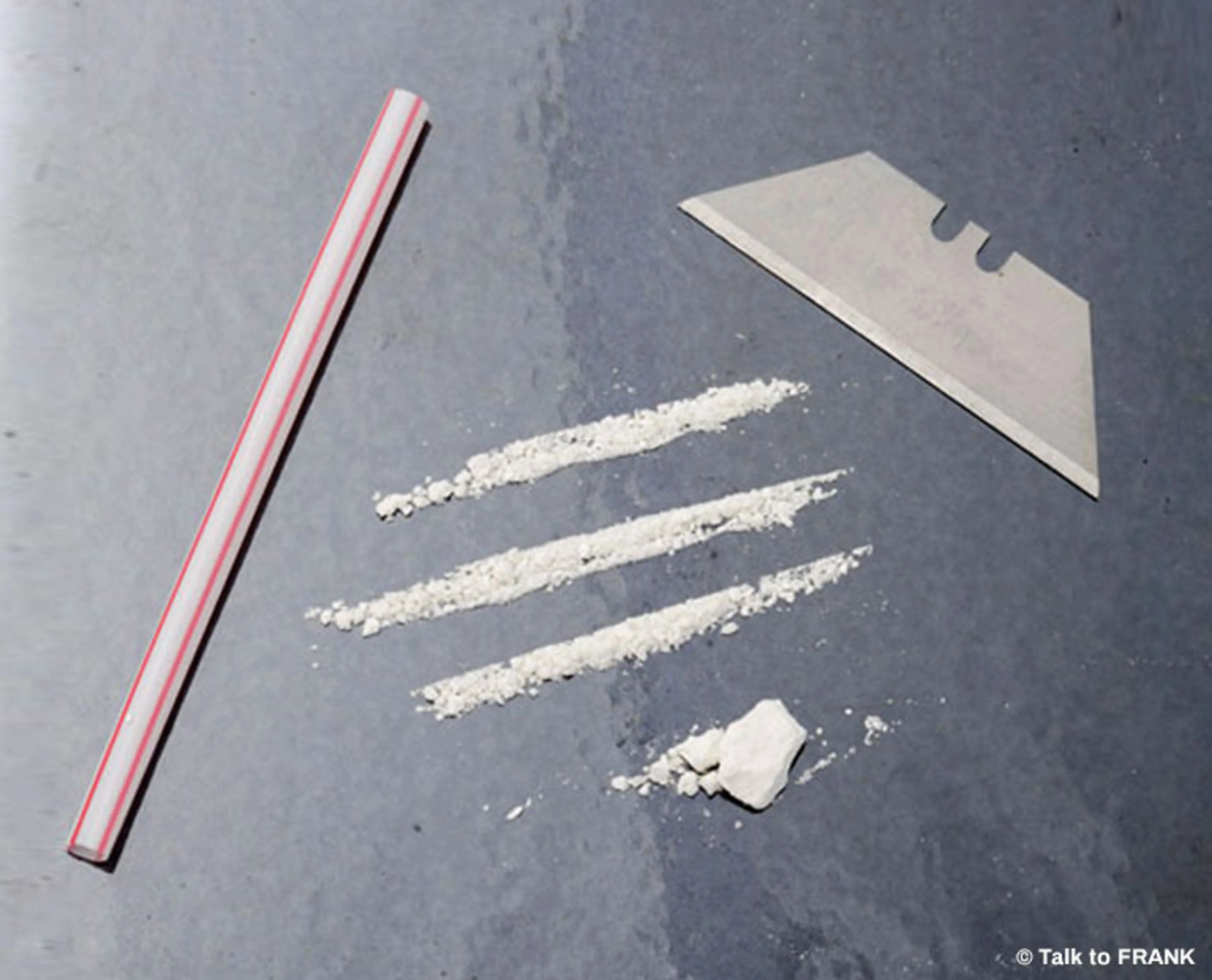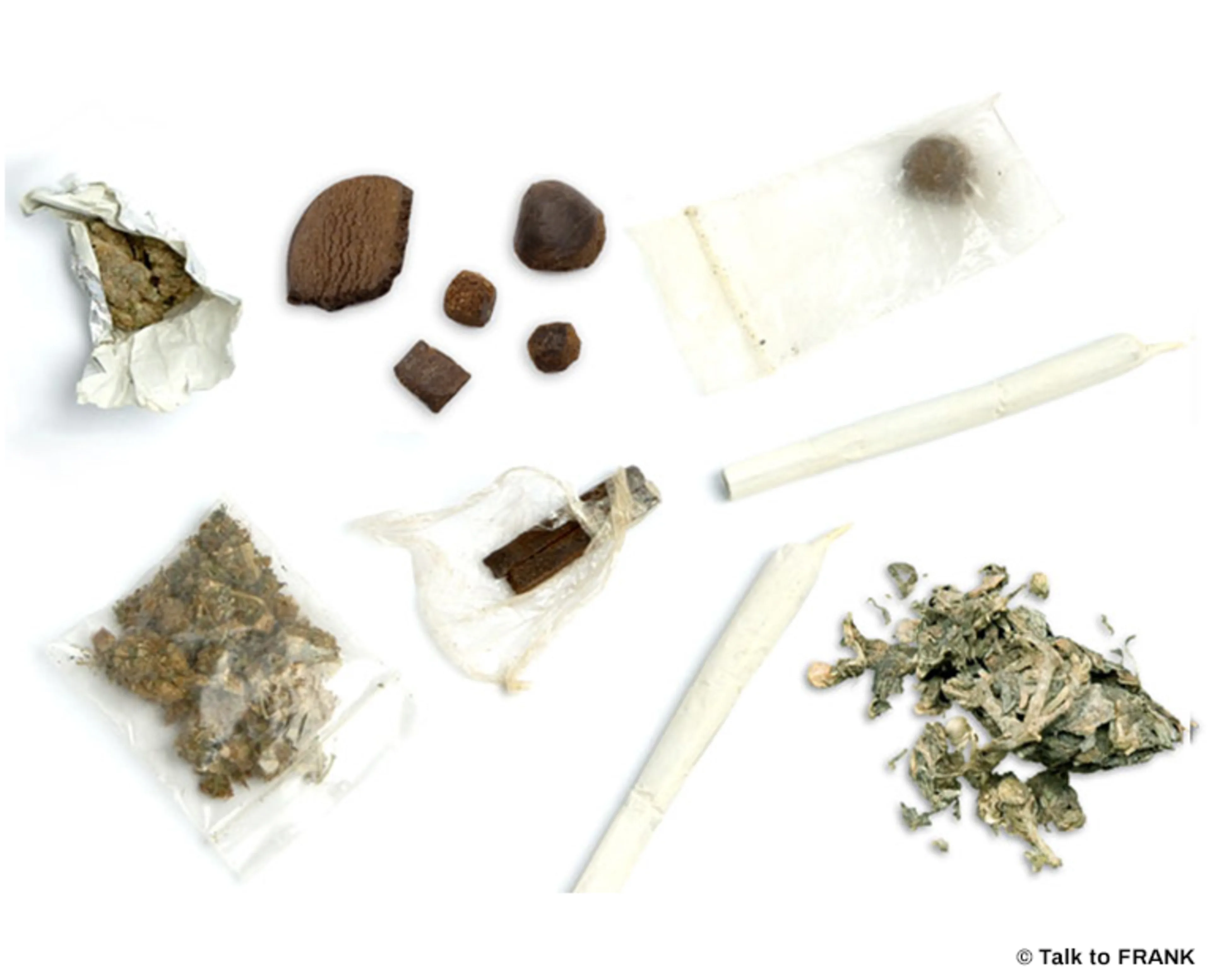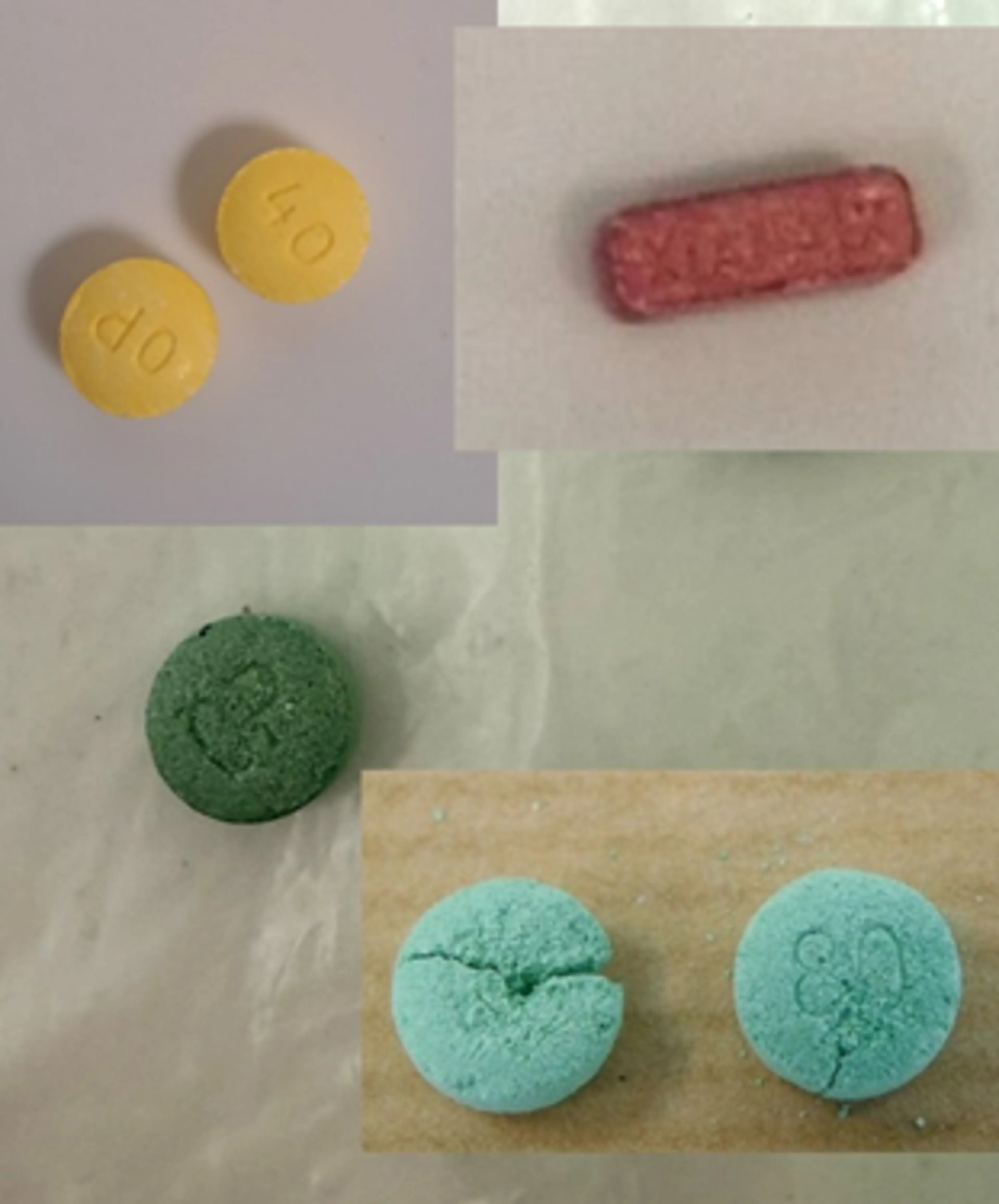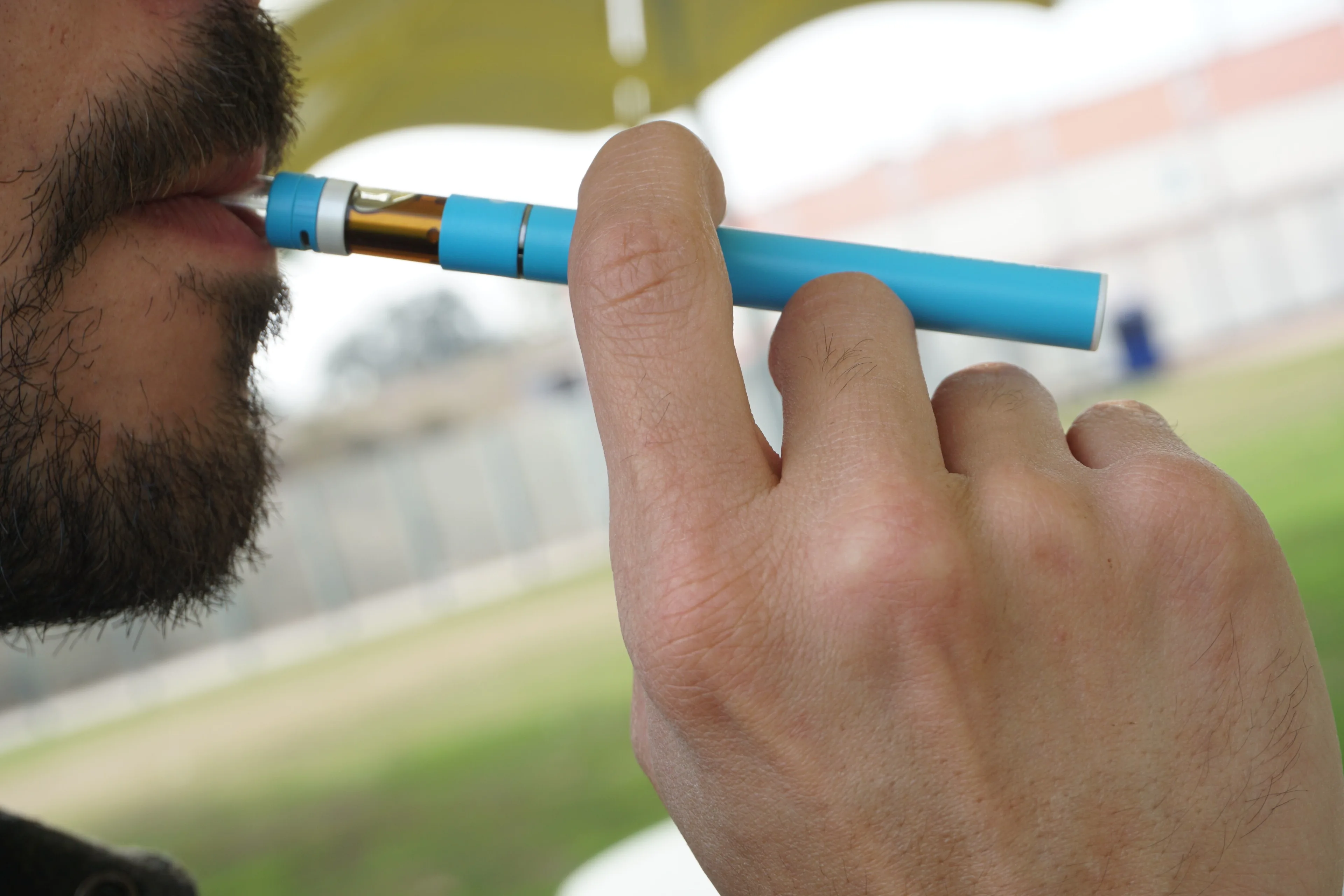
‘Legal Highs’ are substances which produce the same, or similar effects, to drugs such as cocaine and ecstasy, but are not controlled under the Misuse of Drugs Act.  They are however, considered illegal under current medicines legislation to sell, supply or advertise for “human consumption”. To get round this sellers refer to them as research chemicals, plant food, bath crystals or pond cleaner.

In many cases, ‘legal highs’ have been designed to mimic class A drugs, but are structurally different enough to avoid being classified as illegal substances under the Misuse of Drugs Act.

An example of this is mephedrone. The substance was created in a lab to mimic the effects of cocaine or ecstasy, but it had a slightly different chemical structure to both of these drugs so that it would not fall under the Misuse of Drugs Act. Subsequently the government passed legislation so that mephedrone became a controlled substance meaning it’s now illegal to possess, give away or sell.

There are a large number of 'legal highs':

  • Some are known by their brand/product name, for example Benzo Fury, Ivory Wave, Eric 3, Diablo. It's not always clear what's in these products and their contents can change regularly.
  • Some are known by their chemical name, for example Dimethocaine, 5IAI, MDAT.
  • Some may be known by a slang name, for example in some areas 'Bubble' is a generic name for any synthetic powder that has stimulant (amphetamine-like) effects.
  • More recent 'legal highs' include methoxetamine (also called MXE, MKET or roflcoptr) and ethylphenidate.
     

Why is there concern about ‘legal highs’?

For many ‘legal highs’ there has been very little or no useful research into their short, medium and long term effects on people. While this means FRANK can’t always provide specific advice, there are certain key facts common to all ‘legal highs’:

•    Just because a drug is legal to possess, it doesn’t mean it’s safe.

•    It is becoming increasingly clear that ‘legal highs’ are far from harmless and can have similar health risks to drugs like cocaine, ecstasy and speed.

•    Risks of ‘legal highs’ can include reduced inhibitions, drowsiness, excited or paranoid states, coma, seizures, and death.

•    These risks are increased if used with alcohol or other drugs.

•    It is likely that drugs sold as a ‘legal high’ may actually contain one or more substances that are actually illegal to posses. What you may think is a legal high that you can’t get in trouble for having, could be something completely different, and in fact a class B drug.

‘Legal Highs’ and the law

Under current guidance, teachers can confiscate, and dispose of, any ‘legal highs’ that they find on school property, in line with the school’s policy. School staff also have the power to search any students suspected of carrying banned drugs.  This power allows school staff to search for substances they reasonably believe are illegal but which may, after testing, be found to be legal.

New temporary bans for 'legal highs'

The Government has now introduced new powers, meaning they can place a temporary ban on any potentially harmful substance, while they await a recommendation from the Advisory Council on the Misuse of Drugs (ACMD), an independent group of experts, on whether it should be permanently controlled under the Misuse of Drugs Act 1971.  

When it is used, the temporary ban will come into immediate effect, but it will have to be agreed by Parliament within 40 days. The drug will not be Class A, B, or C, but called a temporary class drug. It would not be illegal to posses a temporary class drug for personal use, but the police could confiscate it and destroy it.  It will be illegal to import, distribute and sell the drug , and anyone caught could be fined, sent to jail or both.

Last updated: 20 January 2012