

Tramadol
A prescription painkiller that people can get addicted to and abuse
Also called:
- Tramal
- Ultram
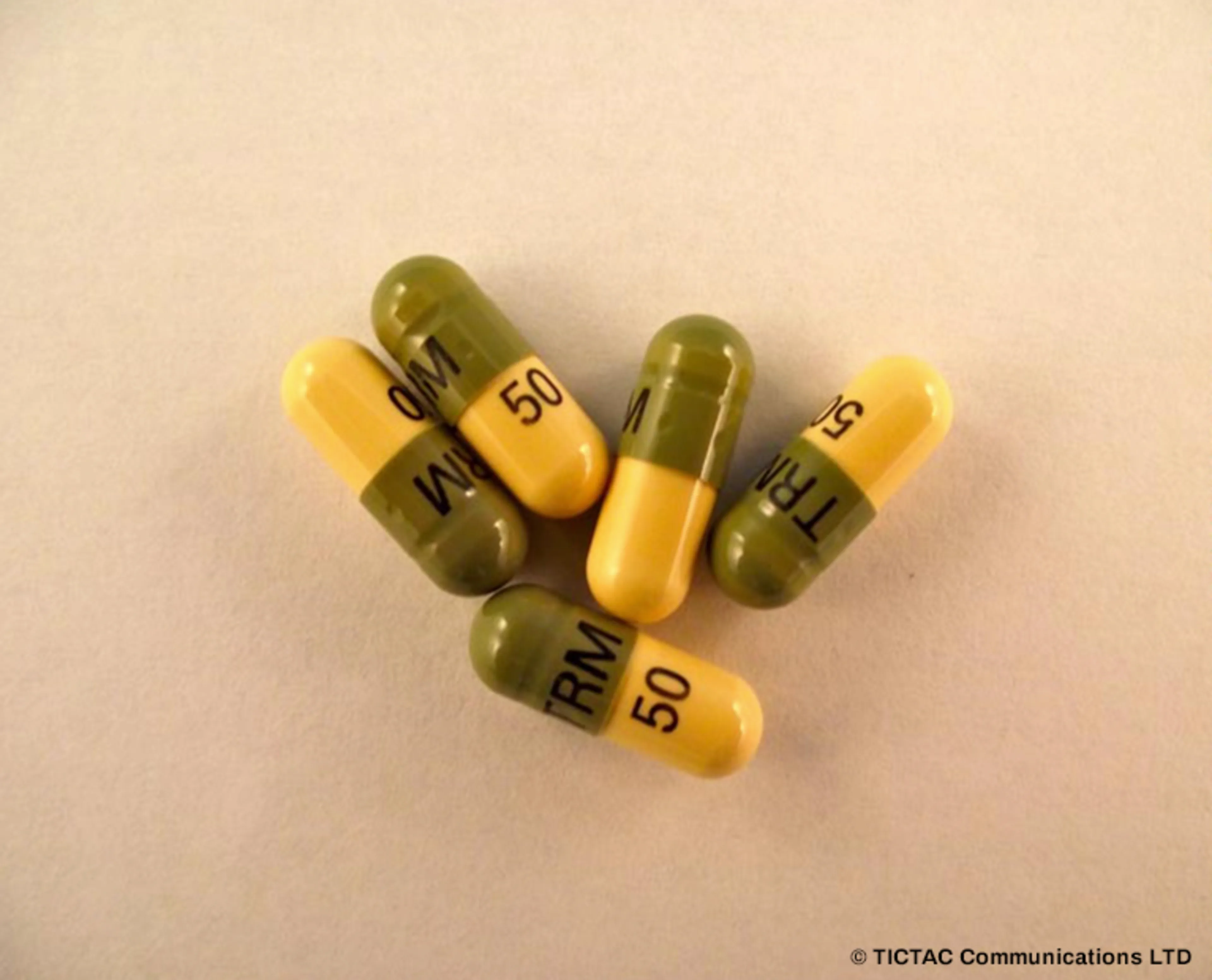
What does it look like?
- White pills or tablets (the most common type)
- Coloured capsules
- A liquid
Tramadol is used to treat moderate to severe pain. People usually swallow it in pills or capsules.
On its own, tramadol is a prescription-only painkiller. It’s used to treat pain that can’t be stopped by more common painkillers. This means you can’t buy it legally without a prescription.
People who take tramadol illegally, or abuse their prescription, sometimes crush up the tablets and snort them.
How does it make you feel?
Although tramadol is not as strong as heroin, it shares many of the same effects and both are addictive.
It is prescribed as a painkiller, but it can make you feel:
- calm
- happy
- relaxed
- awake – it may stop you from sleeping
- sick – you may need to vomit
- dizzy
- tired and lethargic – you may feel like you have no energy
- constipated
- uninterested in food
- drowsy
- confused
- sweaty
- itchy
- moody and irritable
Other, less common, side effects include:
- diarrhoea
- dizziness or fainting
- excessive sweating
- itching
- raised blood pressure
- tightness in the airways
- muscle weakness
- sensory disturbances
- hallucinations (seeing or hearing things that aren’t there)
- fits
- blood disorders
How does it make people behave?
Tramadol can make people feel drowsy or confused. People may look out of it or look like they’re falling asleep.
How long the effects last and the drug stays in your system depends on how much you’ve taken, your size and what other drugs you may have also taken.
How long will it be detectable?
Tramadol can show up in a urine test for 2 to 6 days after using.
How long a drug can be detected for depends on how much is taken and which testing kit is used. This is only a general guide.
Physical health risks
Although tramadol isn’t as strong as some of the other opioid drugs (such as heroin), it can still cause some of the same problems and, like other opoid drugs, overdosing can kill.
Tramadol can depress breathing and may be risky for people with asthma and chronic obstructive pulmonary disease.
Tramadol use has been linked with serotonin syndrome. This is a potentially life-threatening condition where the serotonin receptors are overstimulated. Serotonin syndrome can lead to high fever, rapid pulse, shivering, sweating, trembling, muscle twitches, agitation and confusion.
Pregnant women should not use tramadol as it can be toxic to the developing foetus.
If you have epilepsy you should only take tramadol with clear medical advice because of the known risks.
Mental health risks
- If you are on certain antidepressants you should only take tramadol with clear medical advice because of the known risks.
What is tramadol cut with?
Nothing harmful – so long as it’s prescribed by a doctor.
Although most tramadol is made by pharmaceutical companies to a high standard, tramadol bought from a dealer of from the internet can sometimes be cut with other substances or be counterfeit (fake).
If you’re not sure where the tablets have come from, there’s no way of knowing what’s inside them. Even testing kits may not find everything.
Is it dangerous to mix with other drugs?
Mixing drugs is always risky but some mixtures are more dangerous than others.
What happens if I mix Tramadol and
Can you get addicted?
Yes, tramadol is addictive.
Over time, tramadol can produce cravings and a psychological desire to keep on using.
Some people get addicted to tramadol after being prescribed it to treat a physical pain. They experience withdrawal symptoms after stopping to take it, so carry on taking it instead. So long as you take tramadol as prescribed by your doctor, this shouldn’t happen.
Tolerance can also build, so that users have to take more just to get the same effects or to avoid an unpleasant withdrawal.
Withdrawal symptoms include:
- nervous tremors
- anxiety
- yawning
- sweating
- runny nose
- sleep disturbance
- nausea
- diarrhoea
- goosebumps
- restlessness
- abdominal cramps and muscle spasms
Class: C
This is a Class C drug, which means it's illegal to have for yourself, give away or sell.
Possession can get you up to 2 years in prison, an unlimited fine or both.
Supplying someone else, even your friends, can get you up to 14 years in prison, an unlimited fine or both.
Like drink-driving, driving when high is dangerous and illegal. If you’re caught driving under the influence, you may receive a heavy fine, driving ban, or prison sentence.
If the police catch people supplying illegal drugs in a home, club, bar or hostel, they can potentially prosecute the landlord, club owner or any other person concerned in the management of the premises.
Additional law details
Tramadol is a class C drug and is only available with a prescription from a doctor or other healthcare professional that is qualified to prescribe.
Was this information useful?