What is DMT? Dimethyltryptamine (DMT) is a hallucinogenic drug, which means you’re likely to experience a distorted view of objects and reality and it can cause hallucinations. It’s effects are similar to LSD and magic mushrooms. As with LSD, some people refer to using DMT as ‘tripping’, which can be a good or bad experience.
A number of indigenous people’s traditions and religions use drinks or food that contain DMT.
This has led some people to consider DMT as being ‘spiritual’ and ‘safe’ rather than seeing it as a chemical hallucinogen.
The key effects and risks of DMT include:
A distorted view of objects and reality or actual hallucinations. These effects are normally pleasurable and can come on rapidly, can be very intense and may last for two hours.
Until you have taken DMT you can't tell how strong it is or how it's going to affect you. Once the ‘trip’ has started, you can’t stop it.
Intoxication with DMT can cause nausea and vomiting.
Next
Appearance
What does DMT look like?
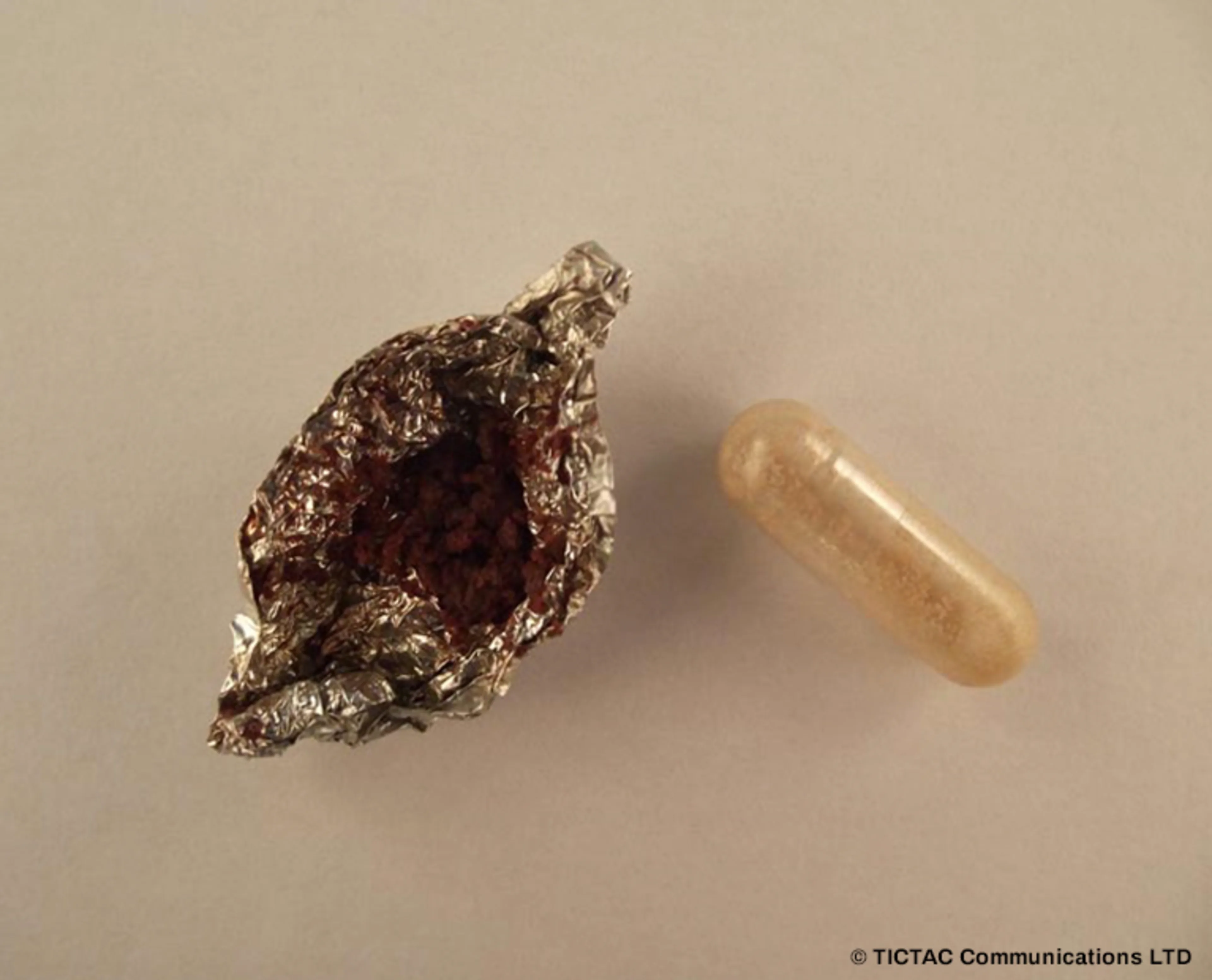
In its pure form, DMT is a white, crystalline powder or solid, however, pure DMT is rare and it’s more common to get impure DMT, which can be a yellow, orange or pink powder or solid.
DMT is normally sold in wraps, containing between an eighth and a half of a gram of DMT. Prices start at £25, but increase as the purity of the DMT increases.
Next
Use
How is DMT taken?
DMT can be injected, smoked or snorted.
The Effects
What are the effects of DMT?
The effects of DMT include:
Hallucinations;
Feelings of time and movement speeding up or slowing down;
Distortion of colour, sound and even double vision
Often a heightening of mood.
The Risks
What are the risks?ImpuritiesGetting hooked
What are the risks?
What are the risks of taking DMT?
DMT can produce very random, and sometimes very frightening, effects, which feed off a person's imagination.
If panic sets in, the experience can be scary and confusing.
Flashbacks sometimes happen. This is when part of the trip is subsequently re-lived after the original experience.
DMT could have serious implications for somebody who has a history of mental health problems. It may also be responsible for triggering such a problem in someone predisposed but unaware of this.
People have been known to harm themselves during a bad trip from using hallucinogens – so it is probably best to avoid taking DMT if you're in a bad or anxious mood.
Some people report unpleasant emotional effects lasting for days after taking DMT.
DMT can also raise blood pressure and heart rate and may harm those with a pre-existing heart condition.
Next
Impurities
How pure is DMT?
DMT is rare and there is little evidence on how pure it is.
Next
Getting hooked
Can you get addicted to DMT?
As with LSD, there is no evidence that DMT is addictive but tolerance may develop rapidly so that with repeated use a higher dose is needed to get the same effects. The tolerance probably goes back to normal quite quickly after stopping taking it for a period.
The Law
DMT and the law
DMT is a class A drug which means that it's illegal to have for yourself, give away or sell.
The maximum penalty for possession is seven years in jail and/or an unlimited fine.
Supplying someone else, even your friends, can get you life and/or an unlimited fine.
What if you’re caught?
If the Police catch you with DMT, they’ll always take some action. This could include a formal caution, arrest and prosecution.
A conviction for a drug-related offence could have a serious impact. It can stop you visiting certain countries – for example the United States – and limit the types of jobs you can apply for.
Did you know?
Like drinking and driving, driving while high on DMT is illegal – you can get a heavy fine, be disqualified from driving or even go to prison.
Allowing other people to use DMT in your house or any other premises is illegal. If the police catch someone using DMT in a club they can prosecute the landlord, club owner or person holding the party.
This depends on which drug you are talking about and what method is being used to test for the drug. The list below shows the drug detection times (using a urine test) for the most common drugs:
By mixing drugs you increase the chances of having a bad time. The effects of the drugs might be greatly increased, the drugs might interact in an unexpected way or one drug may stop part of your body working properly which makes the other drug(s) that have been taken more dangerous.
All drugs are potentially dangerous and have varying effects on individuals, so it is not possible to name the worst drug. For more information on the effects and risks of various drugs go to the A-Z of drugs.